September 10, 2026
The Truth About “Normal” Aging and Bladder Leaks
Prof. Geoff Cundiff

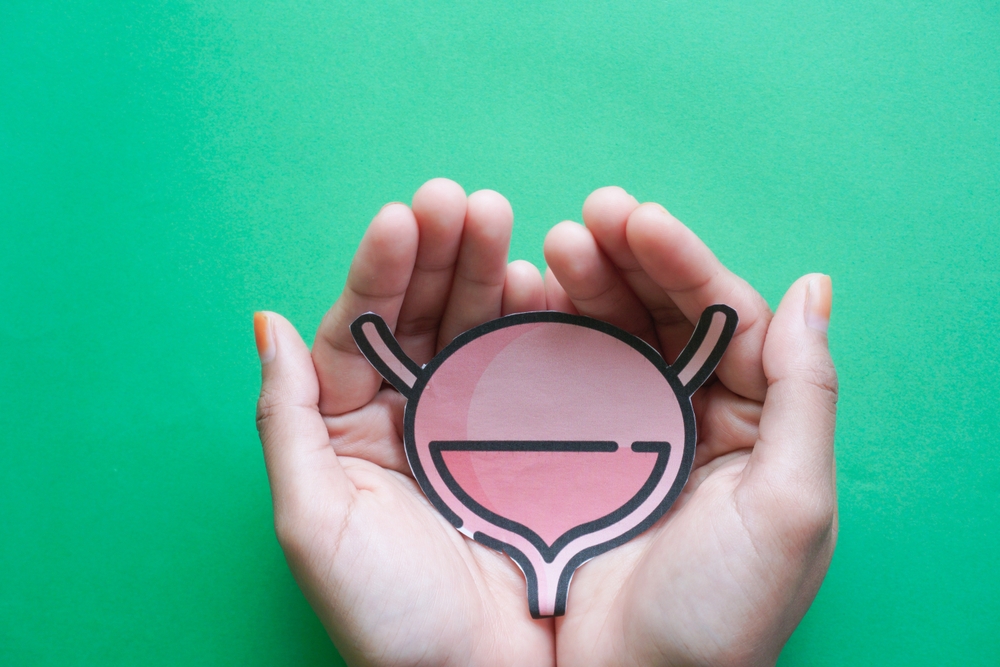
Bladder leaks are common, so if you leak urine when you laugh, cough, sneeze, or you can't quite make it to the bathroom in time, you are absolutely not alone. Up to half of women experience some degree of urinary incontinence during their lifetime. However, just because bladder leaks are common does not mean that they are an inevitable or “normal” part of aging. Some of the changes our bodies go through with aging can increase your chance of having urinary incontinence, but leaking is not usual, and should not be ignored as most cases are quite treatable.
Different women leak for different reasons, so the first step is to understand what is the source of your leakage.
There are three main causes of leakage. Stress Incontinence is a common cause of leakage that occurs during exercise, coughing, or lifting. It is a confusing name as the “stress” in Stress Incontinence refers to pressure on the bladder rather than anxiety. (In reality all types of incontinence are stressful when you consider the angst of leaking while in public!)
Activities like exercise, coughing, and lifting increase the pressure in our abdomen and that pressure squeezes the bladder increasing the pressure in the bladder too. The muscles and ligaments that support the bladder neck are what prevents urine from leaking during these activities that increase abdominal pressure. If the bladder neck muscles are weak, or there is poor support of the bladder neck, then the increased bladder pressure can overcome the bladder neck pressure and cause leakage. Child birth, aging, and surgery can all compromise the bladder neck support or muscles. Alternatively, things that increase the normal abdominal pressure, like obesity, can also cause Stress Incontinence.
If your leakage occurs because you have uncontrollable urgency and cannot get to the toilet in time, you have Urgency Incontinence also known as Overactive Bladder or OAB. Some people with OAB have debilitating urgency, without actually leaking. Many people with OAB also need to urinate too frequently during the day or multiple times at night. Unlike Stress Incontinence, OAB is not related to bladder neck muscles or support, but due to poor communication between the bladder and brain. This miscommunication leads to a vicious circle of bladder symptoms leading to anxiety.
The third type of leakage is Mixed Incontinence, where women have symptoms of both Stress Incontinence and OAB. The first step to understanding your leakage and seeking help is to understand your symptoms, as the best treatment varies based on the type of incontinence.
Aging is a process that occurs across a lifetime, although there are also many specific parts of a woman’s life that impact bladder function. Our muscles tend to weaken as we get older, and this includes the muscles of the pelvic floor. The connective tissues in our bodies also lose their elasticity over time and hormone levels shift, which affects the tissues of the pelvis as well.
These changes to muscles, ligaments, and hormones are exaggerated during pregnancy and childbirth. Childbirth is also a source of injuries to the pelvic floor. The gradual weakening of muscles, and loss of tissue elasticity are normal parts of aging, but injuries during childbirth, while common are not normal. For most women who have childbirth injuries, the symptoms improve during the first 6 months of recuperation, but their muscles and tissues do not get all the way back to normal. This gap leaves less room for the gradual weakening of normal aging. Consequently, as these women age, their bladder function deteriorates faster and they develop symptoms.
Menopause has the most dramatic hormonal shifts, especially in terms of falling estrogen levels. This decrease in estrogen directly impacts the bladder, including the bladder lining and muscles. Again, if there were prior injuries that decreased the ability to compensate for these changes, then menopause can shift the balance of bladder function to leakage.
Bladder leakage and related symptoms tend to appear gradually and worsen overtime. Many women will try to ignore it at first or take steps to manage it like not drinking fluids, or emptying their bladder more often, or avoiding places without toilets, or shortening trips away from the house. In fact, these approaches tend to make symptoms worse while also limiting daily activities and socializing. The result is a gradual isolation and limitation.
One of the reasons that women fall into this downward spiral is the impression that leakage is a normal part of aging. This misinformation may initially come from friends that a woman consults in confidence. It even sometimes comes from primary care providers when a woman gets up the nerve to ask about her incontinence. Regardless, it is a mistaken impression that prevents women from seeking real help.
Regardless, of what is causing your leakage, stress incontinence, OAB, or mixed incontinence, there are a variety of effective treatments you can choose. If the problem is weakened muscles, pelvic floor exercises may be the solution. There are support devices to improve poor support. Behavioral therapy, and cognitive behavioral therapy are effective for OAB. For more severe cases, medications or Botox injections are solutions. And for the more severe problems there are surgical solutions, although it makes most sense to try the conservative treatments first.
Don’t let misinformation, shame, or embarrassment control your life. If you have bothersome bladder leakage and related symptoms that are limiting your lifestyle, then it is time for you to seek help.
See a health professional who takes urinary incontinence seriously. If your primary care provider or Ob/Gyn doesn’t have your answers, then you may want to pursue a subspecialist urogynecologist.
You can now access this care conveniently and directly from your home through a virtual visit at Dry Days Health.