July 28, 2026
Why Medications Alone Often Aren’t Enough
Prof. Geoff Cundiff

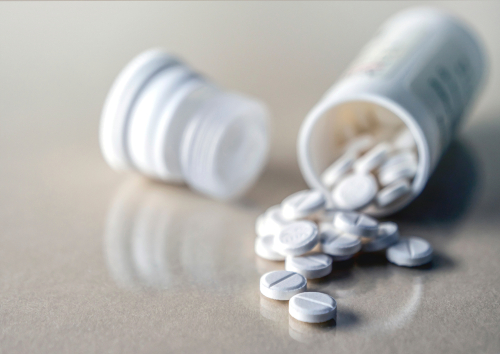
Urinary incontinence affects millions of women of all ages. Some women leak when they cough or exercise while others leak because they can't make it to the bathroom in time. If you have asked your doctor for help with urinary incontinence, there is a good chance that you got a prescription for a medication. While this sounds like an easy fix, most women who start a medication for urinary incontinence, stop taking it within a month. If you are one of those people you probably wonder, why medications alone often aren’t enough for urinary Incontinence.
Your bladder is always working, storing the urine that your kidneys make and holding it until a convenient time for you to let it out. This ability requires an intact bladder muscle, as well as a strong bladder neck muscle and good coordination between the two to hold the urine in the bladder.
But your ability to hold urine goes beyond these muscles. If you are having problems holding urine in, it could also be due to weakened pelvic floor muscles that support the bladder neck. Childbirth and aging are common causes. Or it could be due to a bladder muscle that is overactive. This is sometimes due to nerve problems as the nerves that serve the bladder and bladder neck are vulnerable in conditions like diabetes, neurologic conditions, and spinal injuries or arthritis. These structures are also impacted by changes to hormones, especially around menopause. Carrying extra weight can make it harder to hold your urine also by increasing the pressure on the bladder. Incontinence is sometimes triggered by what you drink, medications, or constipation.
Despite all of these different vulnerabilities, the medications that are prescribed for incontinence are only directed at the nerves that control bladder activity. They do not strengthen your pelvic floor muscles, or fix the support of the bladder neck. They don't change your daily habits, or impact a chronic cough, constipation, or obesity. That's why even when a medication helps, leaks often continue unless the other pieces are addressed too.
There are several common types of urinary incontinence for women.
Stress urinary incontinence (SUI) refers to leaking that occurs with laughing, sneezing, running, jumping, or lifting. The main issue here is weak support around the urethra and bladder neck that normally holds the urine in. The bladder medications don't actually help this particular problem. Instead, SUI is usually initially treated with pelvic floor (Kegel’s) exercises and life style changes to address weight loss and management of chronic cough or constipation.
Overactive Bladder (OAB) is a condition where leakage occurs after a strong sense of urgency followed by an inability to hold the urine in the bladder. The main issue in OAB is misfiring signals between the brain and bladder that allows the bladder muscle to contract without warning. Bladder medications are used to treat OAB and are directed at the nerves of the bladder. While they can reduce urgency and leaks, they rarely give complete control.
It is not uncommon for women to have both SUI and OAB which is referred to as mixed incontinence. Depending on which condition is most bothersome, medications may be somewhat helpful for mixed incontinence too.
As previously noted, medications are really indicated for treating OAB and the urinary urgency that it causes, and yet it rarely provides complete bladder control. The medications may reduce urgency episodes but do not eliminate them. Instead, the studies show that they tend to make women’s symptoms “less bad” , but the symptoms return when the medications are stopped.
The medications also have common side effects including, dry mouth, dry eyes, constipation, blurred vision, raised blood pressure, increased heart rate, and most concerning, memory loss. It is not surprising that most women stop taking these medications within months of starting them, although unfortunately, the bladder symptoms return when you stop the medications. So while medications can help, they are not a cure.
There are better treatments for OAB. Behavioral Therapy refers to a conservative approach to treating OAB that includes bladder training, urgency suppression techniques, pelvic floor (Kegel’s)exercises, and management of fluids and diet. There is strong evidence that behavioral therapy is more effective and better tolerated then OAB medications, which is why it is consistently recommended as first-line therapy for OAB. Medications are recommended for those who cannot do behavioral therapy. So why do patients get medications instead of behavioral therapy? Because behavioral therapy requires explanation and teaching that most physicians do not have time to provide. Alternatively, they may provide an educational handout along with a prescription.
For women with SUI, or mixed incontinence with predominant SUI, there is really no role for medications.
While medications do not cure OAB, they can decrease how often you have urgency, at least while you are taking them. However, they are not effective enough by themselves, and most women stop them after several months. Ideally, the use of the medications should be when you are mastering the techniques of behavioral therapy. If you continue to have symptoms, you may have more severe OAB that requires procedural treatment like Botox injections or neurostimulation.
If you are considering starting medications for urinary incontinence, or have already tried them without much success, you may want to try behavioral therapy. Unlike medications, behavioral therapy teaches you techniques that put you in charge of your bladder.
You can now access this care directly from your home through a virtual visit at DryDays Health.