July 8, 2026
Are Pads Treating the Problem — or Hiding It?
Prof. Geoff Cundiff

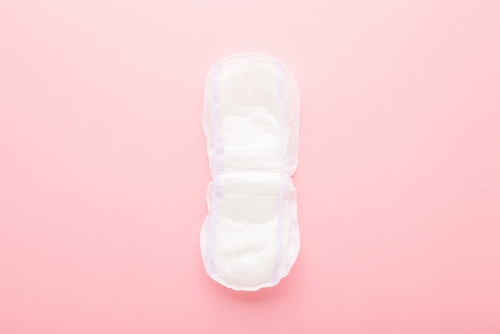
For many women who live with urinary incontinence, the solution comes in a box: sanitary pads. But are pads really treating the problem or just hiding it? Here is a candid conversation about pads, leaks, and Women's Health.
Many women will turn to pads after seeing them advertised on television or online. Or maybe a doctor, nurse, or friend said “just wear a pad” when you mentioned leaking after a cough, laugh, or because you can't make it to the toilet in time. So, you try a normal pad and before you know it, you're buying thicker pads, longer pads, “overnight pads”, and there at the end of the aisle is the ultimate option, adult diapers.
But do they really work? Are pads actually treating incontinence or are they just hiding wetness and smell so no one else notices? What does that mean for your health, your confidence, and dignity as a woman. Let's unpack this openly and without shame.
Pads do absorb leaked urine. They also can help keep your clothes and seats dry. They will reduce visible wet patches and urine odour. They can also give a sense of security in public comma at work, an with family or in social settings period
While they might help you manage your leakage, pads do not strengthen the pelvic floor muscles. They don't fix bladder or urethral problems. They don't treat overactive bladder or urinary tract infections either. Nor do they address the underlying causes of urinary incontinence, like childbirth injuries, menopause related changes, obesity, chronic cough, or medications that can promote leakage.
You might think of pads like you would an umbrella in the rain. They keep you drier, but they don't stop the rain from falling. While the visible problem is well hidden, it's easy for everyone including ourselves, to pretend nothing serious is happening and this can delay real treatment.
Because pads can help to manage the mess, it's easy to let the real issues slide. Many women accept leaking as “what happens after babies” or “just part of aging” or “a consequence of menopause”, but there are real underlying health issues that cause leakage and pads do not treat them. In fact, they may create a false sense of security that allows the condition to get worse. The real problem is conditions like:
Urgency is a sudden unexpected need to pee. It can also cause leakage if not controlled. People with overactive bladder also urinate frequently both during the day and at night. Pads can absorb the outcome of leakage, but they don't overcome an overactive bladder.
Stress incontinence refers to a type of leakage that occurs with increased pressure in your abdomen, like during a cough, sneeze, laugh, or with any exertion. It is often related to weakened pelvic floor muscles or changes after childbirth. A thicker pad helps with the wetness, but it doesn't rebuild muscle strength or support.
Women with mixed incontinence suffer from both stress incontinence and an overactive bladder and can be quite severe. You might wear pads “just in case” all the time but the root causes are still there.
Dribbling, feeling like you never fully empty, or having mobility issues that make it hard to get to the toilet can all be frustrating bladder symptoms. Using pads might protect your clothing but they do not address why the bladder is not emptying well.
In addition to hiding urine, incontinence pads also fit into a culture that says bladder problems are so embarrassing that they must be kept secret. You might plan your day around access to a toilet, without telling anyone why. If you mention it at all you minimize it by saying that you are “a bit leaky” or have a “weak bladder”. This might make you feel old, or broken, or less feminine, even though incontinence can happen to anyone at any age.
Sadly, the silence has consequences. Women stop exercising and socializing because they fear leaks. They might only wear dark clothes, avoid long trips, or skip important events. They don't seek medical help because they assume that “nothing can be done” or it's just my age”. Pads might make you feel safer, but they also keep you locked in a quiet struggle, instead of opening the door to real solutions.
There is nothing wrong with using pads as part of your management plan for incontinence. But if any of these are familiar, it's time to look beyond the pad and talk to a health care provider:
· You leak several times a week or daily
· You avoid exercise, travel, or social events because of the fear of leaking
· You wake multiple times at night to pee
· You feel pressure or a bulge in the vagina
· Your leakage is getting worse without an explanation
Seeking help is not vanity or weakness. It's basic health care.
It is not uncommon for women with incontinence to wear pads all day, every day, and sometimes for years. This will have consequences for the health of your skin. The typical problems that occur with long-term pad use include skin irritation and rashes from the moisture, the friction, and the chemicals in the urine. Pads can also produce increased odor if they aren't changed often enough. These factors can lead to infections in the genital area or skin folds due to the constant dampness.
To protect your skin, try to choose pads that are designed specifically for urine, rather than menstrual pads. Menstrual pads are made to handle a different fluid and do not work well for urine. Use fragrance free options if you're sensitive as the strong perfumes can irritate delicate skin. Change your pads regularly even if they are not completely soaked. Three to four hours is often adequate although not if you have heavy leakage. Where breathable cotton underwear and avoid tight clothing around the crotch. And gently wash the area with water or mild non-perfume soap and dry well.
Pads can help you feel secure, but they shouldn't come at the cost of constant itching, soreness, or frequent skin infections.
Pads are a useful tool but are not the only tool. Depending on the cause of your incontinence there are many treatment options. These include:
Many of your bladder symptoms can be improved or even eliminated through changes to your lifestyle and behavior. In fact, behavioral therapy is considered the first line therapy for urinary incontinence and includes bladder training, fluid and caffeine management, and urgency suppression techniques. Managing your weight and stopping smoking can also improve your bladder function.
Urinary incontinence is frequently due to weakening of the pelvic floor. Pelvic floor muscle training, or Kegel exercises, can help to compensate for these changes and improve your bladder function. This can be guided by a pelvic floor physiotherapist or through the use of biofeedback that helps you find the correct muscles.
There are devices that can provide biofeedback to help you strengthen your pelvic floor muscles. Pessaries are another type of device that helped to provide support when placed in the vagina.
There are also medications for both stress incontinence and overactive bladder. These are usually considered a second line treatment if behavioral therapy and pelvic floor muscle training or not successful.
For those who don't respond to the more conservative treatments, there are more involved procedures. For example, bulking agents can be injected beside the bladder to help close the urethra. Botox can be injected in the bladder to help calm it down an overactive bladder. There are also some minimally-invasive surgeries, such as a sling that can correct poor support.
You do have more options than just wearing a pad.
You can now access this care from your home through a virtual visit at Dry Days Health. Book an appointment with Dry Days Health today.